“That’s not going to happen” you think to yourself as you are at a doctor’s appointment, or reading a nutrition article, or scrolling through a wellness account. The advice makes sense – Eat more vegetables, cut the rice, watch the oil, avoid processed foods.
But you sit there thinking about your grandmother’s kitchen – the rice that has fed your family for generations, the oil your mother drizzled over everything, the foods that taste like home, like safety, like belonging – now reframed as a problem according to this “good” advice.
Nobody said your culture was the problem specifically, but the only “solution” presented was to erase it.
What Diet Culture Did to BIPOC Communities
Mainstream nutrition advice did not emerge from a neutral place. For decades, health recommendations have centred white, Western, middle-class bodies and food traditions as the default standard. Foods that fell outside that standard – rice, plantains, ghee, injera, tortillas, coconut milk, fermented vegetables – got pathologized as high-carb, high-fat, or simply too foreign/unknown/understudied/undervalued to fit the model.
The BMI tells a version of this story. Belgian statistician Adolphe Quetelet developed it in the 1830s by collecting data almost exclusively from white European men. For nearly two centuries, that height-to-weight ratio became a gold standard health indicator applied to every body regardless of ancestry, ethnicity, or build. In 2023, the American Medical Association finally acknowledged its “historical harm” and “racist exclusion” – but healthcare providers still use it routinely.
Kera Nyemb-Diop, PhD, founder of the Black Nutritionist Instagram account, points this out: “For too long, being healthy has meant being closer to white aesthetics. So much of the public-health narrative is rooted in white supremacy.”
Food shame in BIPOC communities often starts here – in the gap between what health authorities say is good for you and what your family has always cooked. That shame compounds when BIPOC people visit nutritionists who have never learned about their food traditions, who recommend eliminating the very dishes that connect them to identity, community, and ancestral wisdom.
A BIPOC nutritionist in Vancouver works from a different starting point entirely.
What an Anti-Oppressive BIPOC Nutritionist Actually Does Differently
The difference does not start with the food on your plate. It starts with who gets to define health.
A BIPOC nutritionist understands that your cultural food traditions carry knowledge your body recognizes. Fermented foods from Korean, Ethiopian, or South Asian traditions support gut health in ways that predate the current gut health trend by centuries. Indigenous foodways in BC – salmon, camas, and berries – carry nutritional and relational wisdom rooted in deep knowledge of this land. Caribbean, West African, and Latin American culinary traditions use spices, legumes, and vegetables in ways that nourish the nervous system, reduce inflammation, and support mental health.
None of this needs to be replaced. Some of it might need to be adapted, depending on your health circumstances. But adaptation looks nothing like erasure.
A BIPOC nutritionist also understands that disability, chronic illness, and neurodivergence shape people’s relationships with food in ways mainstream nutrition almost never addresses. Fatigue, pain, sensory sensitivities, executive function challenges, and the physical weight of chronic stress all affect what someone can realistically cook, afford, and eat. Nutrition support that ignores these realities sets people up to feel like failures – when the advice itself was the failure.
Additionally, a BIPOC nutritionist understands that food security and economic precarity shape what is actually possible. Recommending organic produce and specialty health foods to someone navigating financial stress is not neutral advice. It is advice that only works for people with resources, repackaged as universal wisdom.
The Body as a Site of Colonial History
For Indigenous and many BIPOC communities, the relationship with food carries a history that goes beyond personal choices.
Colonization disrupted Indigenous food systems across what is now called British Columbia – through residential schools that forced children to eat unfamiliar foods and punished cultural practices, through land dispossession that severed communities from traditional food sources, through policies that replaced rich ancestral diets with commodity foods high in sugar and processed ingredients. The health consequences of that disruption still show up in communities today. Naming this does not pathologize communities – it accurately identifies the source of harm.
For many immigrant and diaspora communities, the pressure to assimilate extended to the kitchen. Ancestral foods got coded as smelly, strange, or unhealthy. Children grew up ashamed of their lunches. Adults learned to cook two sets of meals – one for home, one for visibility. The split carried its own kind of grief.
Healing your relationship with food, from this perspective, often means recovering something that colonization and assimilation tried to take. A BIPOC nutritionist who understands this history holds the work differently than one who treats food purely as macros and calories.
What to Look for When Finding a BIPOC Nutritionist in Vancouver
Searching for a nutritionist in Vancouver, Surrey, Burnaby, or Richmond who actually gets this context requires knowing what to look for beyond credentials alone.
- An anti-diet or weight-inclusive framework. Look for nutritionists who explicitly name this in their profiles. Anti-diet practice means rejecting the idea that thinness equals health, and that food choices carry moral weight. Weight-inclusive practice means supporting your health regardless of body size, without pushing weight loss as the primary goal.
- Explicit cultural humility. A nutritionist who lists “diverse populations” without specificity may not have done the deeper work. Look for language that names specific communities, specific food traditions, or specific histories – not generic inclusivity.
- Disability and chronic illness experience. If you live with a chronic condition, neurodivergence, or disability, look for a nutritionist who names this in their practice. Food support that accounts for fatigue, sensory needs, medication interactions, and capacity fluctuations looks fundamentally different from general nutrition advice.
- Sliding scale or accessible pricing. Nutrition support that only serves people who can afford premium private rates does not serve BIPOC communities equitably. Practitioners committed to access will have thought about how to make their work financially reachable.
Ready to find a BIPOC nutritionist in Vancouver who meets you in the full complexity of your relationship with food? Browse nutrition practitioners in the Healing in Colour Professionals Directory
Your Ancestral Food Carries Wisdom
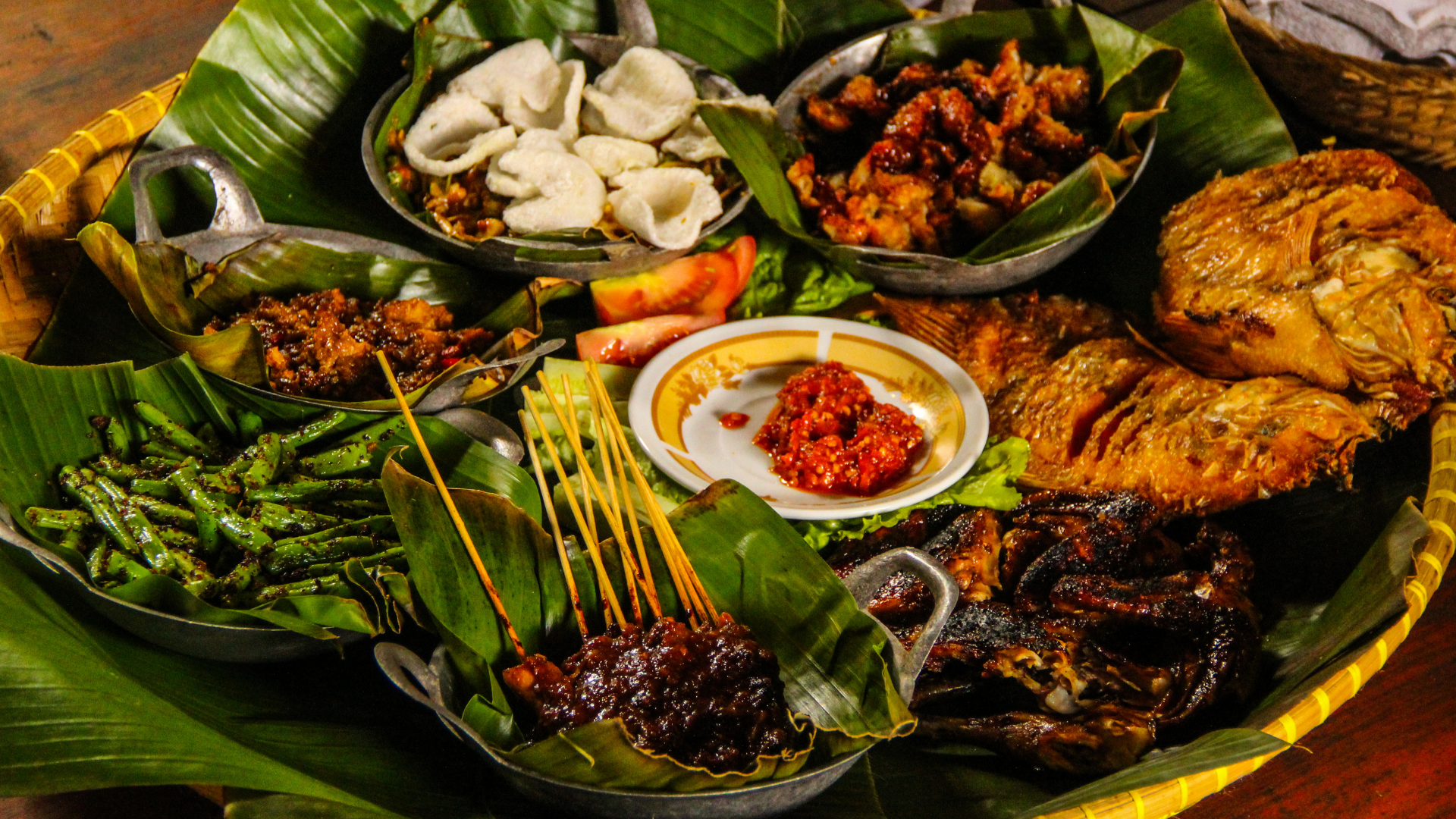
The foods your family has cooked for generations did not become problems the moment a Western health authority failed to recognize them. The rice, the oil, the fermented things, the slow-cooked stews, the dishes that taste like your grandmother’s hands – these carry nutritional knowledge, relational memory, and cultural continuity that no supplement or meal plan can replicate.
Healing your relationship with food does not mean starting over. It means finding support that begins from a place of respect for what you already carry – and helps you build from there.
A BIPOC nutritionist in Vancouver, Surrey, Burnaby, or Richmond brings that perspective. They will not ask you to choose between your culture and your health. They understand the two were never actually in conflict.
Healing in Colour’s Professionals Directory connects you with practitioners across BC who hold this work with the cultural humility, anti-oppressive values, and genuine understanding it deserves.
Additional Resources
Browse BIPOC nutrition and wellness practitioners in Vancouver
Related Reading
- Finding a BIPOC Yoga Teacher in Vancouver: Why It Matters and Where to Look
- What Is Intergenerational Trauma? And How It Shows Up in Immigrant Families
- Understanding the Nervous System and Why It Matters for BIPOC Healing
- Cultural Awareness, Cultural Humility, Cultural Responsiveness: What They Mean and Why It Matters
Not ready to book yet?
- Explore our Resources page for community organizations and wellness tools
- Follow us on Instagram for culturally grounded wellness content
- Join our newsletter for monthly BIPOC wellness resources
About Healing in Colour
Healing in Colour connects BIPOC clients across Canada with therapists and allied professionals who practice from anti-oppressive values. We believe BIPOC people, in all our intersections, deserve care that supports our healing and liberation.
Learn more: About Us | Our Statement of Values
If you are in crisis, please reach out to Crisis Services Canada: 1-833-456-4566 or visit crisisservicescanada.ca