
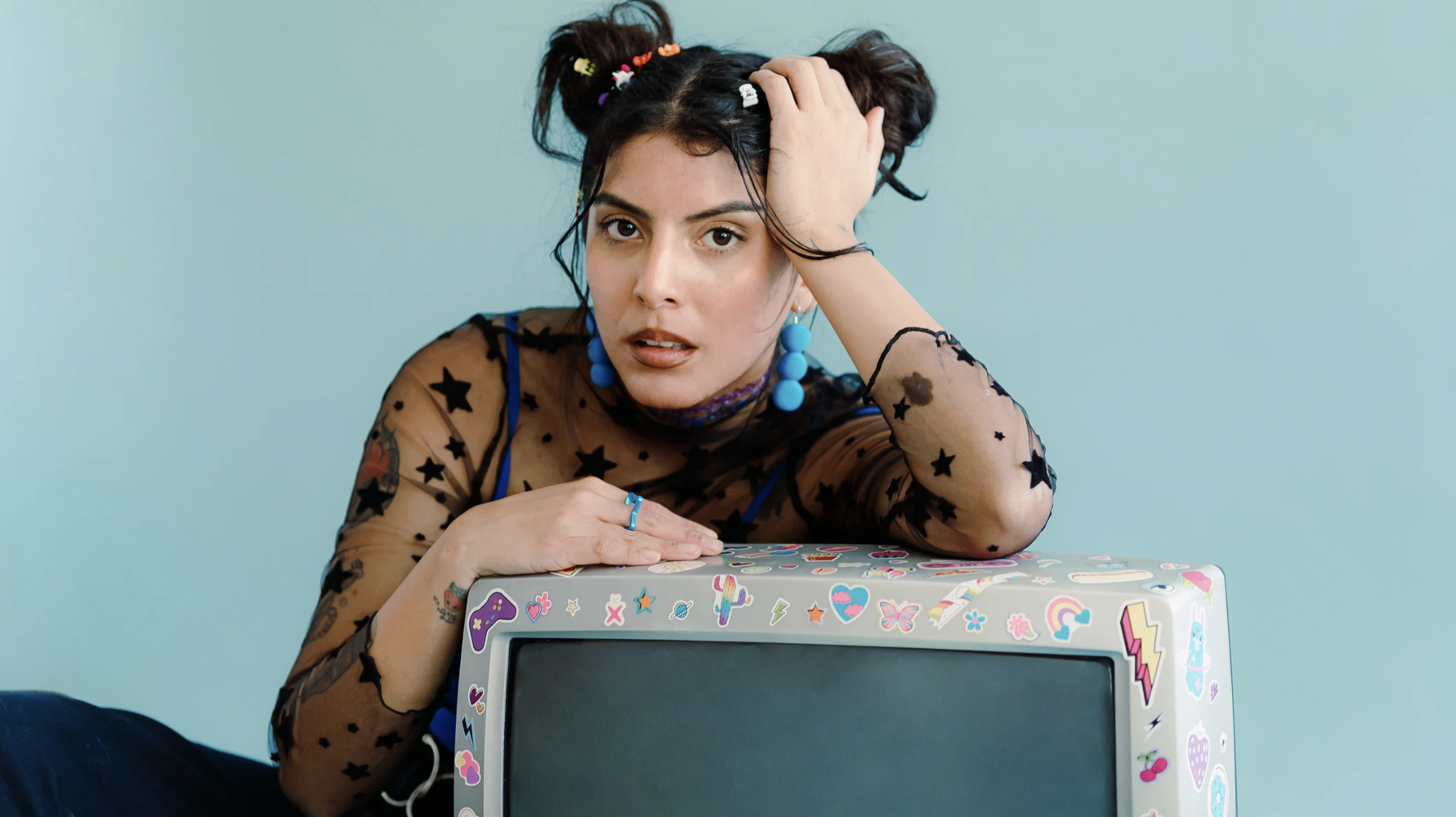
It is 11 p.m., and you have fourteen tabs open. One of them is a video called “signs of adult ADHD,” and you have watched it three times. Every example sounds like a page from your own life: the half-finished projects, the email you have owed someone for a month, the way a quiet room can feel louder than a loud one. Then the memories line up. A teacher wrote “bright but careless” on your report card. Your aunt called you dramatic. Later, a manager called you unprofessional for habits that earned a coworker the word “quirky.” You close the video and type BIPOC ADHD therapist Canada into the search bar. You are looking for someone who will just get it and help you get stuff done.
When the Words Come Late
Many BIPOC adults ask this question years after the people around them had a chance to ask it. The research suggests that delay is not random.
According to a 2016 study in Pediatrics by Coker and colleagues, which followed 4,297 children in the United States, Black and Latino children had lower odds than white children of receiving an ADHD diagnosis or taking ADHD medication, even after the researchers accounted for symptoms. A 2024 study in Psychiatric Services of about 4.2 million commercially insured young people found that Asian, Black, and Hispanic youth received diagnoses less often than white youth in every age group.
Canada shows a similar pattern. A 2024 study in the Canadian Journal of Psychiatry followed nearly 9,000 young people in Ontario. East Asian and South Asian youth had far lower odds of reporting an ADHD diagnosis than white youth, even after the researchers accounted for ADHD traits. The study relied on diagnoses that parents or youth reported, and it covered only three groups, so it cannot speak for every community.
But these studies track who receives a diagnosis, not who has ADHD. They still may match your story: someone read your struggles as attitude, laziness, or “just how you are,” and no one looked closer, explored other explanations, or gave you language for your experience.
Self-Awareness Is Not Self-Diagnosis
Social media can hand you words before anyone else does – which can feel like relief. It can also leave you stuck, wondering whether you are allowed to say it out loud. Both reactions make sense.
Therapy is not a shortcut to a label, and a good therapist will not hand you one – but they can help you strategize and navigate the challenges you are facing. In Canada, an ADHD diagnosis comes from a qualified health professional through a formal assessment. Who can offer that assessment varies by province, so it helps to ask your family doctor or a clinic near you what is available.
What a BIPOC ADHD therapist Canada offers is different: a place to process. Together you can sort through what feels like ADHD, and what’s exhaustion, grief, survival – layered with your unique racial and cultural experiences. Deciding whether you want an assessment, and what you hope it would change, stays your choice. So does grieving the years you spent calling yourself lazy. If you do pursue an assessment, your therapist can help you prepare for it and make sense of the result afterward.
Racism Is Not a Side Note
Your nervous system does not separate your brain from your environment. According to a 2024 study in the Journal of Attention Disorders, Black adults who reported more race-related stress also reported more ADHD symptoms. The study shows an association, not a cause. It may still fit what you know in your body: being watched, doubted, and corrected for simply existing takes energy, and that energy is not available for remembering the appointment.
Trauma and ADHD can also look alike, and they can exist together. Miodus and colleagues (2021) surveyed 454 college students and found that people with elevated ADHD symptoms in childhood reported more trauma exposure and more PTSD symptoms. Feeling on edge and on alert helped connect the two. A skilled therapist therefore does not rush to decide whether your constant scanning of a room comes from ADHD, from trauma, from years in white spaces, or from all three. Hypervigilance in those spaces is a survival mechanism. Check out our blog to read more – Your Ancestors Knew How to Stay Safe.
Years of criticism leave a mark too. In a 2022 PLOS ONE study by Beaton and colleagues, 162 adults with ADHD or elevated ADHD traits described criticism that harmed their self-worth and wellbeing. You may carry that criticism twice: once for the ADHD traits, and again for being the “wrong” kind of different in rooms that were never built for you.
A 2026 University of Victoria thesis by Anishinaabe researcher Caitlin Alder looks at this from another angle. Working with the stories of nine neurodivergent Indigenous people in Canada, Alder examines how ideas of what counts as “typical” grow out of colonial and ableist thinking, and how those ideas shape who gets to belong.
Ready to talk with someone who understands the context? Browse BIPOC therapists on the Healing in Colour Therapist Directory
BIPOC ADHD Therapist Canada: What to Look For
Searching for care can feel like one more task on a brain that already has too many. The Healing in Colour directory narrows it down. You can filter by province, areas of practice, language, session format, and sliding scale options, and many practitioners offer online sessions across Canada.
Here is what to look for:
- Cultural safety, not only cultural awareness. You decide whether a space feels safe. Ask how a therapist would respond if you felt misunderstood.
- Curiosity about your context. A good therapist asks about discrimination, family, migration, school, and work, not just symptoms.
- No rush to label or dismiss. They can hold “maybe ADHD” and “maybe not” with you, without pushing you either way.
- A strengths-based view of how you coped. Masking, over-preparing, and staying quiet often began as protection. Your therapist should help you understand them, not shame you for them.
- Tools that fit your actual life. Routines and reminders work better when they fit your culture, your family, and your schedule.
- Honesty about scope. A good therapist tells you what they can do and when to seek an assessment.
- A free consultation and clear costs. A short call tells you a great deal. Check fees and sliding scale options before you commit.
On that call, you might ask: “How do you work with clients who are exploring ADHD but have no diagnosis?” and “How do you think about racism and ADHD together?” Their answers show whether they will meet you where you are. Every BIPOC ADHD therapist works differently, so trust your body.
You Do Not Have to Sort This Out Alone
The tabs can stay open a little longer. You do not need a diagnosis, a perfect explanation, or proof that your struggle counts before you ask for support. Your questions are enough to begin.
We are here. Find a BIPOC ADHD therapist Canada-wide
Additional Resources
Browse BIPOC therapists in Canada
Related Reading
- Your Ancestors Knew How to Stay Safe
- Therapist or Life Coach: How to Choose
- The Types of Unrecognized Grief We Carry in Our Bodies
Not ready for therapy yet?
- Explore our Resources page
- Follow us on Instagram
- Join our newsletter
About Healing in Colour Healing in Colour connects clients across Canada with BIPOC therapists and allied professionals who practice from anti-oppressive values. We believe people, in all our intersections, deserve therapy that supports our healing and liberation.
Learn more: About Us | Our Statement of Values
If you are in crisis, please reach out to Talk Suicide Canada: 1-833-456-4566 (24/7) or call or text 9-8-8 anytime. Kids Help Phone: 1-800-668-6868 or text CONNECT to 686868.