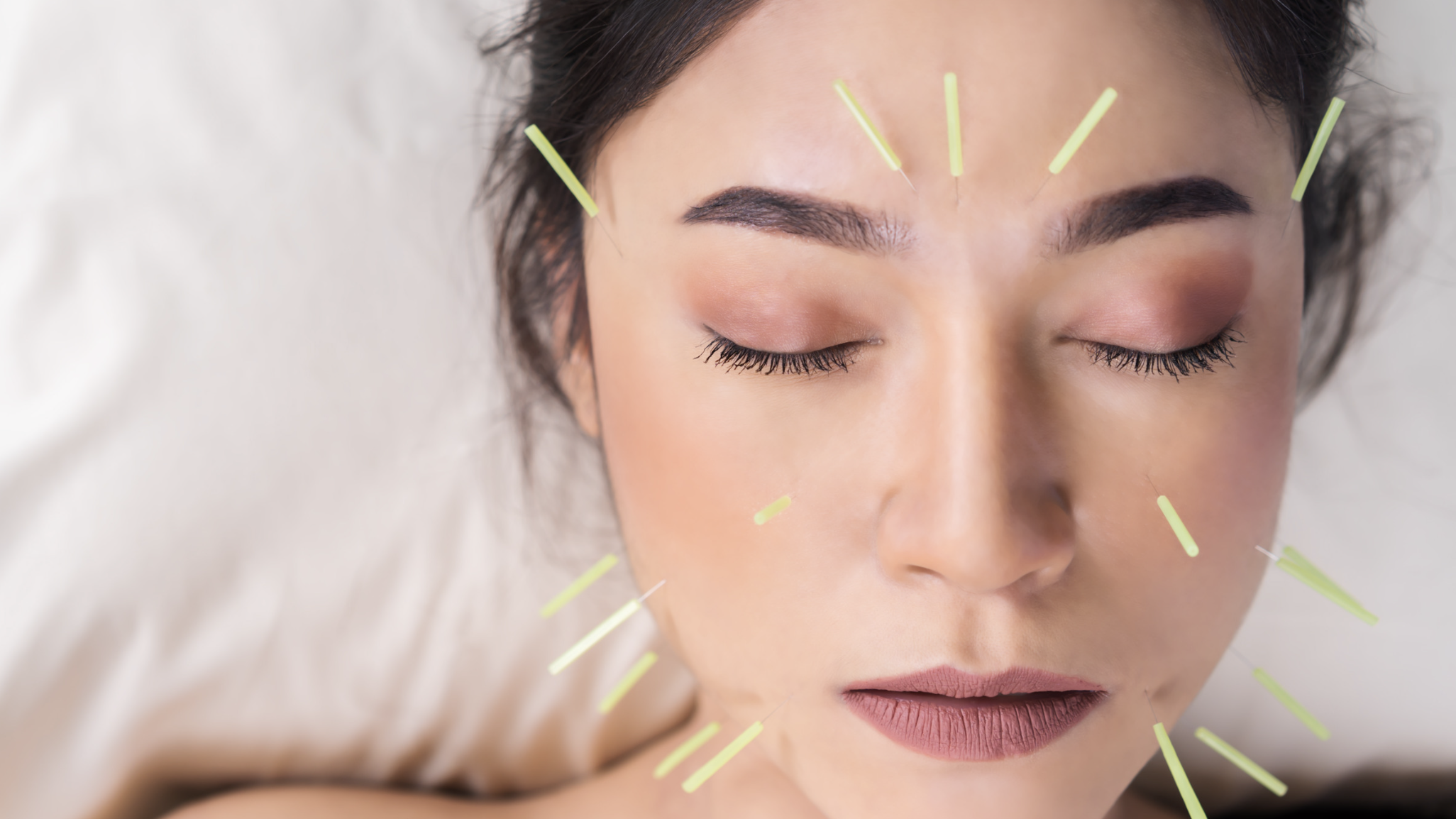
You are lying face-down on a massage table in East Vancouver, a stranger’s hands about to touch skin that carries more history than any intake form asks about. Before the first stroke, your shoulders are already braced. You run the calculation you always run in rooms like this: how much do I explain, how much do I let go unsaid, will this person understand why a certain spot makes you flinch. That is exactly why so many people are searching for BIPOC body workers Vancouver can actually trust, practitioners who do not need your body translated before they can help it.
Therapy gets talked about often when we discuss culturally safe care. Bodywork rarely does, even though massage therapists, naturopaths, and acupuncturists put their hands directly on the parts of us that carry the most unspoken history.
Why Touch Isn’t Neutral for BIPOC Bodies
Pain gets read differently depending on who is in pain. Researchers at the University of Virginia found that a significant share of white medical students and residents held false beliefs about biological differences between Black and white patients, and those beliefs predicted lower pain ratings and less accurate treatment recommendations for Black patients. Bodywork is not exempt from that pattern. A practitioner who has absorbed the same cultural training as the rest of the medical system can under-read your pain, over-explain basic care as though you have never had a massage before, or ask questions about your body that feel more like curiosity than clinical necessity.
None of this requires malice to cause harm. A naturopath who assumes you eat a diet you left behind two generations ago, a massage therapist who is visibly unfamiliar with how to work around locs or braids, an acupuncturist who treats your ancestral practices as a novelty rather than a lineage: each moment adds friction to a session that is supposed to help you relax.
What Culturally Safe Body Work Can Look Like
Culturally safe bodywork starts before anyone touches you. It looks like an intake conversation that asks what you need instead of assuming it, consent that is checked throughout the session rather than assumed after the first yes, and a practitioner who can sit with silence instead of filling it with questions you did not invite.
It also looks like competence that goes beyond politeness. A massage therapist who understands scalp and hair texture without asking you to educate them mid-session. A naturopath who can talk about diasporic food traditions as valid nutrition, not deviations from a default. An acupuncturist who can name where their practice comes from and hold that history with respect rather than treating it as a wellness trend.
Anti-Oppressive Isn’t a Buzzword in the Treatment Room
Many of the modalities BIPOC clients now search for, acupuncture, herbal medicine, hands-on healing traditions, come directly from communities that colonial medicine spent generations dismissing as unscientific. Those same practices often get repackaged and sold back to BIPOC clients through practitioners who have no relationship to where the medicine came from.
An anti-oppressive body worker understands that context. They know their scope of practice sits inside a longer history, and they do not treat your body as a case study or your culture as an aesthetic. They practice consent as an ongoing conversation, not paperwork signed once at the front desk.
Curious what that actually feels like in a session? Browse anti-oppressive body workers in the Healing in Colour Professionals Directory
What to Look for When You’re Searching
A few things worth noticing before you book:
- How they talk about your body in their bio or intake form. Specificity is a good sign. Vague promises of “inclusive care” without detail are worth a second look.
- Whether they ask before they assume. About pressure, about hair, about pain thresholds, about what has felt harmful in past sessions.
- Whether they can speak to where their modality comes from. A practitioner who understands the roots of their practice usually treats it, and you, with more care.
- Whether cost is transparent up front. Financial clarity is its own form of respect.
You Deserve to Exhale in the Room
Bodywork is supposed to be one of the few spaces where you get to put something down. Bracing before someone touches you defeats the purpose. You should not have to do the work of making a practitioner comfortable with your body before they can do the work of caring for it.
We are here. Find a culturally safe body worker in Vancouver
Additional Resources
Browse BIPOC body workers in Vancouver
Related Reading
- Anti-Oppressive Professionals Matter
- What Is a Doula, and Do You Need One?
- Your Body Is Not the Problem: Finding a BIPOC Personal Trainer in Toronto
Not ready to book yet?
- Explore our Resources page for community organizations and wellness tools
- Follow us on Instagram for culturally grounded wellness content
- Join our newsletter for monthly BIPOC wellness resources
About Healing in Colour Healing in Colour connects BIPOC clients across Canada with therapists and allied professionals who practice from anti-oppressive values. We believe BIPOC people, in all our intersections, deserve care that supports our healing and liberation.
Learn more: About Us | Our Statement of Values
If you are in crisis, please reach out to Talk Suicide Canada: 1-833-456-4566 (24/7) or call or text 9-8-8 anytime. Kids Help Phone: 1-800-668-6868 or text CONNECT to 686868.